If you are looking for suitable rubber hoses, you will likely encounter two common materials: EPDM and NBR.
EPDM hoses are best for outdoor, steam, heat, and weather-exposed applications, while NBR hoses are designed for oil, fuel, and hydraulic fluid systems. EPDM performs strongly against UV, ozone, and aging, making it ideal for external installations. NBR offers superior resistance to petroleum-based fluids and is widely used in automotive and industrial oil transfer systems. The right selection depends on temperature range, chemical compatibility, and working medium.
Rubber hose selection directly affects safety, maintenance cost, and system uptime. EPDM and NBR hoses are commonly used in factories, automotive lines, but they perform very differently depending on fluid type and environment. Choosing correctly ensures long-term reliability and lower replacement costs.
You might be unsure about the differences between the two or which one best suits your needs.
This article introduces EPDM and NBR hoses in a straightforward way, helping you quickly understand their characteristics, applications, and how to make the right choice.
What Is an EPDM Hose?
EPDM (Ethylene Propylene Diene Monomer) is a synthetic rubber renowned for its exceptional properties.
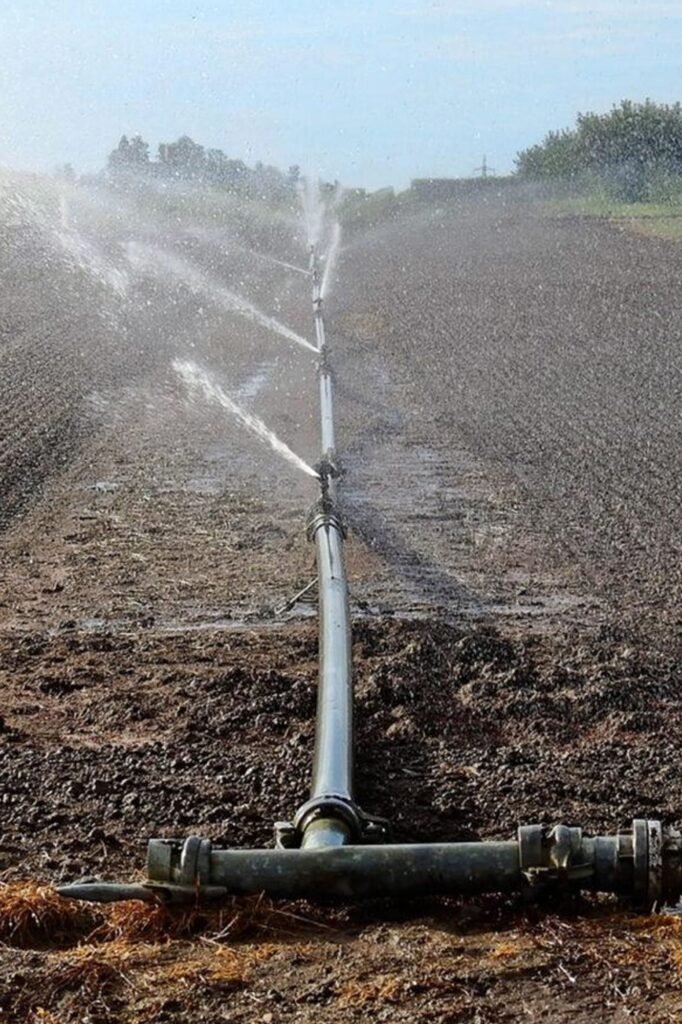
EPDM rubber hoses are widely used in applications involving water, steam, or outdoor environments, offering excellent resistance to heat, weather, and aging. EPDM is often the material of choice for installations requiring long-term outdoor exposure to UV radiation and ozone.
Key Characteristics of EPDM Rubber Hoses:
* Good flexibility and durability
* Excellent heat resistance (up to 150°C)
* Suitable for conveying water and coolant
* Superior resistance to UV, ozone, and weathering
Rubber Hoses Applications:
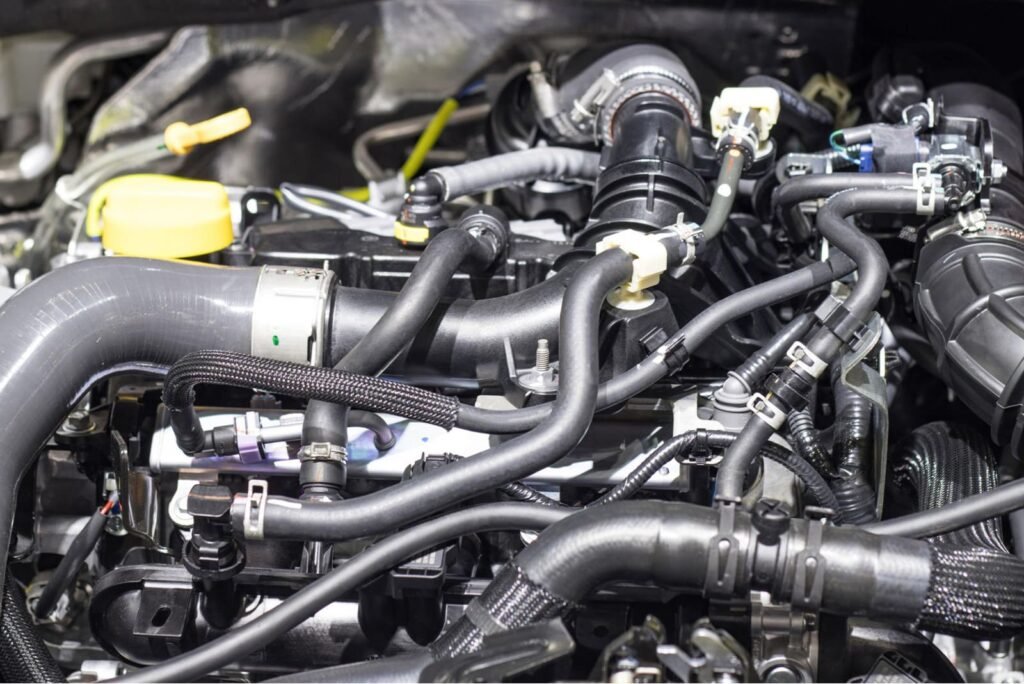
* Automotive radiators and cooling systems
* HVAC systems
* Outdoor equipment
* Industrial water transport
What is an NBR hose?
NBR (Nitrile Butadiene Rubber) is specifically designed for oil and fuel resistance, performing exceptionally well when handling petroleum-based fluids.
If your application involves oils, fuels, or greases, NBR hoses are generally the better choice.
Key Characteristics of EPDM Rubber Hoses:
- Excellent resistance to oil and fuel
- Good abrasion resistance
- Stable performance in harsh environments
- Temperature range: -40°C to +100°C
Typical applications:
- Fuel delivery systems
- Oil and lubricant transfer
- Automotive fuel lines
- Industrial oil transfer equipment
EPDM vs NBR Hose Comparison (Procurement View)
| Decision Factor | EPDM Hose | NBR Hose |
| Oil & Fuel Resistance | ❌ Not suitable | ✅ Excellent |
| Outdoor Durability | ✅ Excellent | ⚠️ General |
| Steam resistance | ✅ Excellent | ⚠️ General |
| UV/Ozone Resistance | ✅ High | ❌ Low |
| Cost Efficiency | Medium | Lower initial cost |
| Temperature range | -40°C to 150°C | -30°C to 100°C |
Chemical Compatibility Overview
| Best suited | Not suitable | |
| EPDM (Ethylene Propylene Diene Monomer) | 1. Water and steam 2. Alcohols 3. Acidic and alkaline solutions | 1. Petroleum-based oils 2. Gasoline 3. Hydrocarbon fluids |
| EPDM (Ethylene Propylene Diene Monomer) | 1. Petroleum-based oils 2. Diesel and fuels | 1. Outdoor environments with UV exposure 2. High-ozone environments |
Use this checklist to avoid specification errors:
- What fluid is being conveyed? (Oil, water, steam, fuel, etc.)
- Indoor or outdoor installation?
- Required temperature range?
- Exposure to UV radiation or chemicals?
- Pressure and reinforcement requirements?
Omitting any of the above information is often the starting point for procurement errors.
Looking for a reliable hose manufacturer?
If you are unsure which hose is best for your project, please feel free to contact us. We can provide customized EPDM and NBR hose solutions tailored to your specific requirements.
Customizable options include:
Hose diameter and wall thickness
Pressure reinforcement layers
Rubber formulations for specific temperature resistance
Bulk supply for distributors and wholesalers
👉 Contact us today for professional advice and a quick quote.
Decision Shortcut
Both EPDM and NBR hoses have their own advantages. There is no single “better” choice—only the product best suited to your specific application.
* EPDM is suitable for water, high-temperature conditions, and outdoor environments.
* NBR is suitable for transporting oils and fuels.
Understanding these differences helps you make the right choice, significantly reducing maintenance costs and enhancing system reliability.